Visualize you're running an important assembly line, and all of a sudden your circulation meter starts drifting. It's checking out reduced, and you're unsure if it's an obstruction, a used sensor, or simply time for a check-up. Waiting days to send that tool off-site for service can cost you huge in downtime. That's where onsite calibration can be found in-- a quicker, smarter means to keep your process running smoothly.
What Is Onsite Calibration?
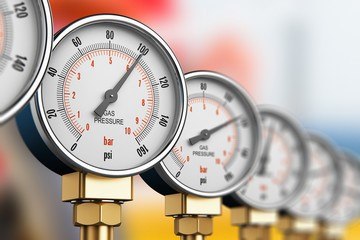
Onsite calibration implies bringing the qualified equipment and experience directly to your facility as opposed to shipping gadgets back to a lab. As opposed to detaching pipes or stopping procedures for a bench check, specialists calibrate tools-- stress assesses, temperature level probes, torque wrenches and more-- in place. It's a form of instrument calibration made to reduce disruption and make sure measurements stay reliable.
Why Onsite Calibration Matters
When a sensing unit wanders out of resistance, it can influence product top quality, safety and compliance. A dampness analyzer that checks out high can throw away energy drying out product needlessly. A miscalibrated hardness tester may let scrap parts slide through. Resolving these problems on the spot keeps points on track.
Reducing Downtime
Downtime is more than a trouble-- it's genuine money. Photo an oil processing plant where stress sensing units start revealing inconsistent readings. Rather than closing down for a week to send assesses off-site, onsite calibration teams arrive with mobile criteria. They confirm and readjust readings, so production returns to in hours, not days.
Keeping Safety and Compliance
In markets like aerospace or pharmaceuticals, regulations require accurate readings. Nondestructive inspection tools often depend on calibrated sensors to detect splits or bit contamination. An onsite go to ensures that your tools meets audit criteria without the trouble of logistics.
Trick Instruments for Onsite Calibration
- Circulation meter Stress gauge Temperature level sensor Dampness analyzer Solidity tester Torque wrench and torque wrenches Particle counter
Finest Practices for Effective Onsite Calibration
Adjusting instruments in the area requires cautious preparation and clear documentation. Adhere to these guidelines to obtain the most from your next check out:
1. Prep work
Gather historic data on each tool's efficiency. Review past calibration records to detect patterns-- possibly that flow meter drifts extra when system stress climbs above 50 psi. See to it the calibration group has accessibility to vital areas and that any dangerous power sources are shut out. A tidy, arranged workspace assists them work effectively.
2. Making Use Of Traceable Standards
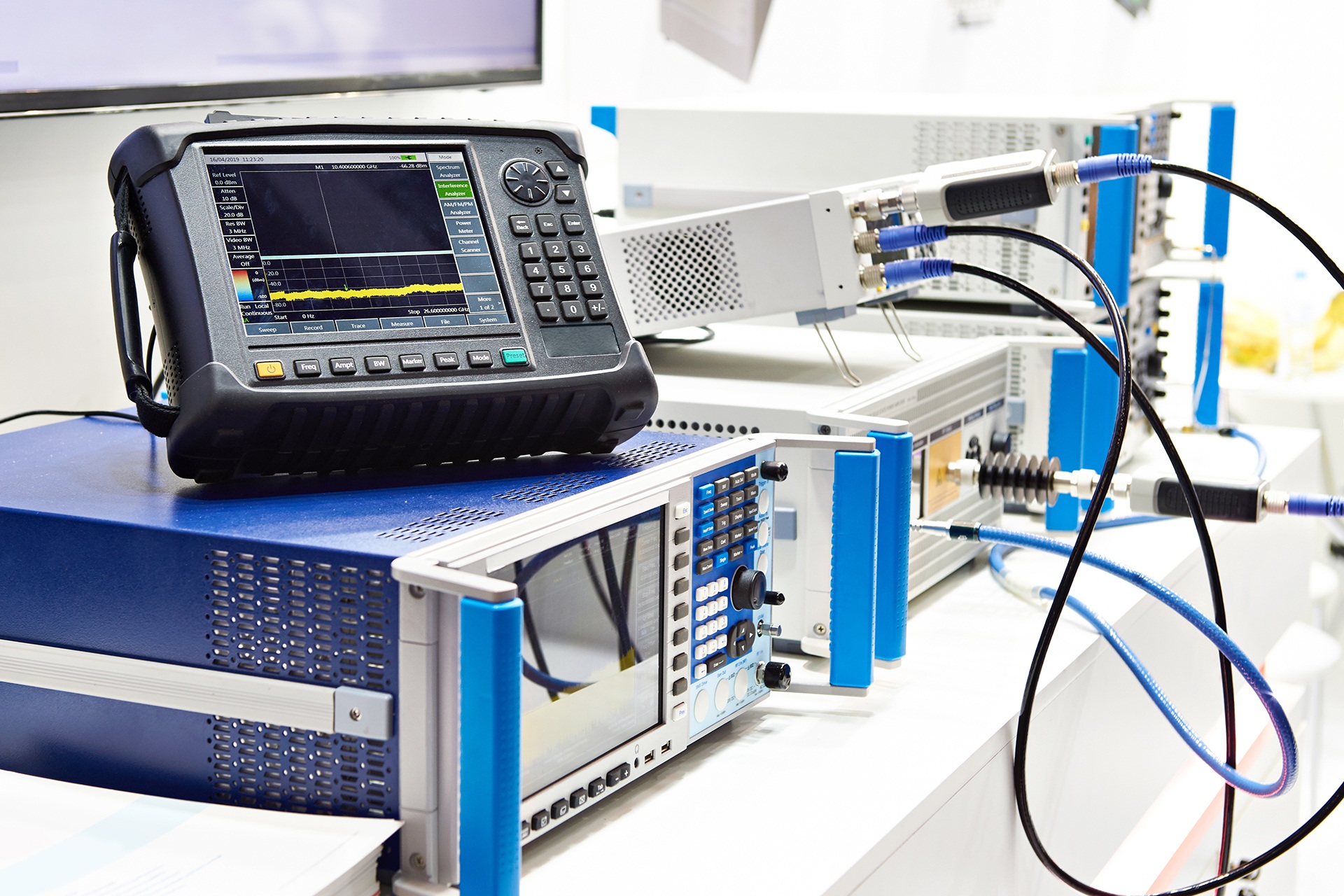
Accurate onsite calibration relies gauge block calibration on mobile standards that link back to national or international referrals. Whether readjusting a torque wrench or validating a solidity tester, service technicians utilize calibrated master gauges and licensed blocks to make certain every reading traces back to a recognized standard.
3. Calibrating Under Real Conditions
Among the benefits of onsite job is testing instruments at real operating temperatures and stress. A temperature sensing unit might behave in a different way at ambient laboratory degrees than it performs in a warm oven or vapor line. By calibrating under real-world conditions, you capture the entire image.
4. Detailed Documentation
Each calibration needs to feature a thorough report: before-and-after analyses, environmental problems, uncertainty values, and any kind of recommendations. Great documents assist you intend the next calibration and defend your conformity during audits.
Real-World Example: Particle Counters in Clean Rooms
A semiconductor supplier noticed a rise in problem prices. Their environmental surveillance system flagged greater counts on a particle counter inside a clean space. As opposed to presuming, they scheduled an onsite calibration. Professionals cleaned the inlet filters, confirmed the circulation rate, and readjusted the photometer positioning. Within a day, the counter was back in tolerance, and the problem price dropped by 20%.
Choosing the Right Calibration Partner
Not all service providers are created equivalent. You desire a team that comprehends your procedures-- whether it's a nondestructive thickness scale or a moisture analyzer in a paper mill. Search for professionals with hands-on experience, clear prices, and the capability to offer quick turn-around.
For centers throughout several sectors, EML Calibration provides professional onsite calibration services. Their mobile labs are outfitted for a large range of tasks, from pressure and temperature level checks to torque wrench verification. Following time you need to adjust in place, consider them a reputable source.
With the best strategy to onsite calibration, you'll maintain instruments reliably calibrated, reduce downtime, and maintain the quality and security your procedure needs.
Name: EML Calibration
Address: 998 Elm Hill Pike, Nashville, TN 37210, United States
Phone: (888) 846-4614
Website: https://www.emlcalibration.com/